by Eric Vollheim
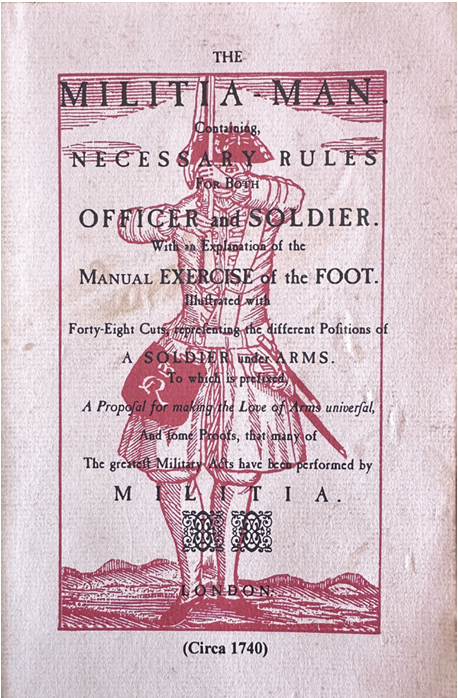
In the present day, the word militia brings to mind cruel and lawless bands of masked thugs, fighting for loot or political power. This was certainly not the case in the 18th century. A militia was an ancient concept and a necessary part of life in the colonial years and Hardwick had one since the earliest days of the town.
France and Britain were in a constant struggle for control of the land and trade in the “new world”. Wars were being fought in Europe for the same reasons, and those conflicts were reflected in the colonies. In addition, the colonists had to protect themselves from raids and attacks by French soldiers and their allied Indian tribes. Hardwick was considered the frontier and there were never enough regular British troops to secure it. A local militia was critical to the town’s survival and every male between sixteen and sixty was automatically a member. In England the militia was known as Trained Bands, in New England each individual town had their own company. Officers were elected by their men and when called out, became part of a coordinated structure where each company was in a regiment with general officers. Hardwick men formed up in the Worcester Regiment.
Militiamen could be called out for an alarm or there might be a campaign forming to besiege Louisburg or Ticonderoga. Militiamen were sometimes assigned to garrison duty, where they might actually live with a family to protect them. The first member of Hardwick’s militia that was killed on such extended duty was Samuel Abbot in 1748 at Fort Massachusetts, in the town of Adams.
Hardwick’s own General Timothy Ruggles was quite active in the Seven Years War and the earlier King George’s War, referred to by our townsfolk as the French War and the ’Old French War’. He raised the Worcester Regiment several times and marched with it ‘for the reduction of New France’.
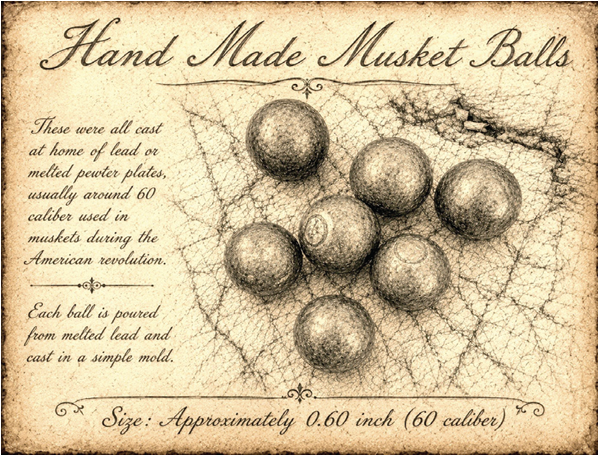
While there was never any serious fighting in Hardwick, local militiamen traveled far and served with other Massachusetts men in Canada and on Lake Champlain and in Nova Scotia. They went to war at least once in every generation and when the danger was over, returned to being shopkeepers and mechanics and yeoman farmers, husbands and fathers.
They were definitely not a ‘rabble in arms’ and did not arbitrarily come together when they heard the bells. They were well trained, highly organized, knew their officers, and collectively gathered in a carefully planned manner. They did not expect to be told what to do by anyone.
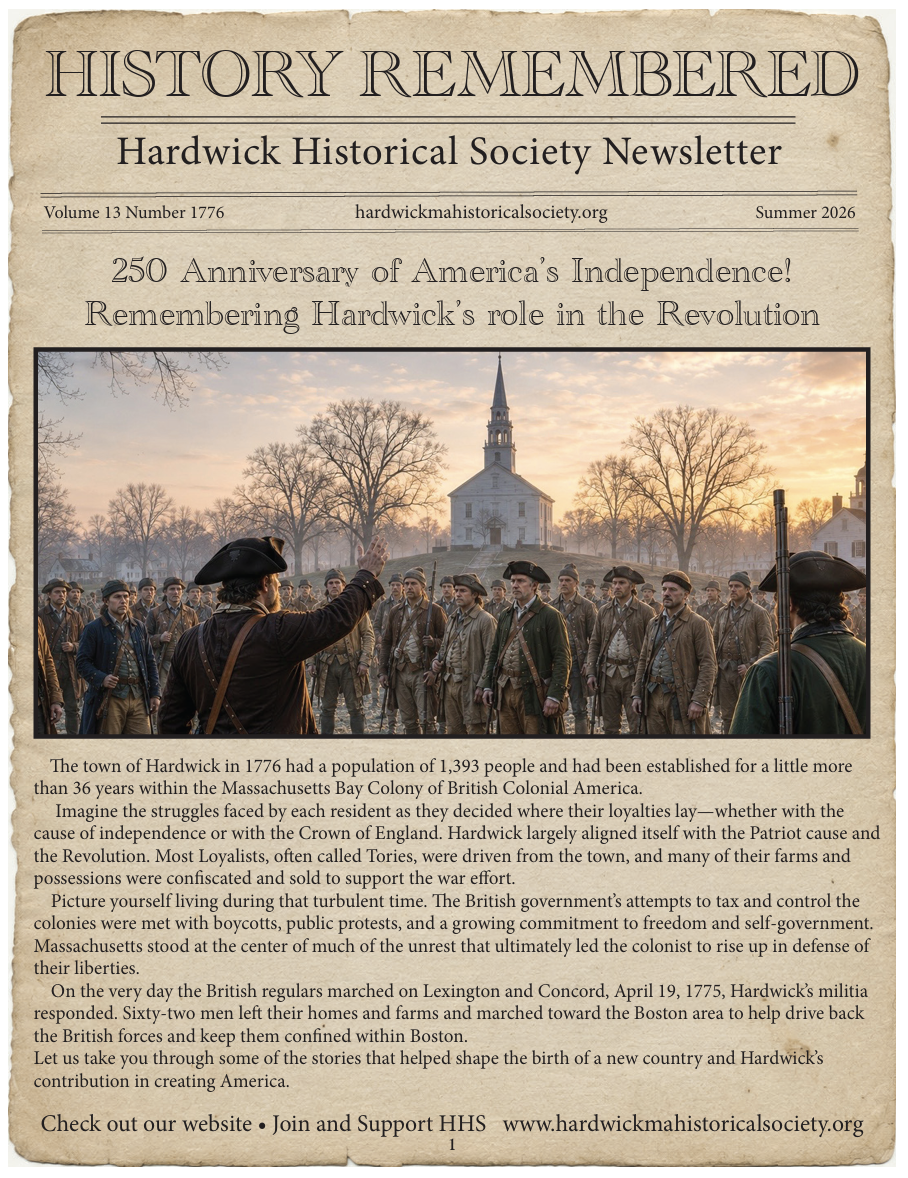
As British attempts to raise money for the costs of their wars got increasingly onerous and regulations on the colonies grew more restrictive, there was a growing sense that conflict was inevitable. When the Redcoats approached Lexington Common on April 19, 1775, they were on a mission to seize weapons and munitions that had been accumulated by the 4th Middlesex Regiment, Massachusetts Militia. They likely expected it to be a simple exercise. Instead, they met the Lexington militia, led by French and Indian War veteran Lieutenant Parker. Since half his men were also veterans, they held significantly more combat experience than the British Regulars. Ultimately, it proved to be a long grueling day for the Redcoats.
In Hardwick the news came into town a little past noon. Sixty-four members of the local militia responded and immediately marched to Cambridge. Twenty-one stayed and enlisted in the infant Continental Army.
